September 17–28, 2027
Walk the Ancient Path
A 12-day sacred journey through Peru's ancient ceremonial sites guided by master Huachumero Don Martín
Sacred Ways
A Journey Beyond Time
For thousands of years, Huachuma (San Pedro) has been used by Andean shamans as a sacred bridge between worlds, opening the heart, expanding vision, and reconnecting the soul with nature, spirit, and the cosmos.
This is more than a retreat. It is a pilgrimage of remembrance across sacred landscapes, across time, and into the deepest parts of your being.
Guided by Don Martín, a master Huachumero and direct apprentice of Don Howard, one of the most respected Huachumeros of our time, you'll ceremonially activate the wisdom of five powerful sites, each chosen for its spiritual, historical, and energetic significance.
This is your opportunity to walk an ancient path of healing — not just for the mind, but for the heart, the spirit, and the soul. To shed what no longer serves. To remember who you are beneath the layers. And to receive the deep medicine of the land, the lineage, and the sacred cactus that has been used in these regions for millennia.
Rooted in one of the oldest Huachuma traditions of the Andes, this pilgrimage is an invitation into ancestral healing, spiritual transformation, and embodied awakening. You'll be supported by the land, the medicine, and a small, intentional group walking beside you.
This journey is not for everyone. It's for those who feel the calling. To heal, to awaken, to remember.
Pilgrimage Film
See what twelve days on the path actually looks like
Sacred Ways — Peru
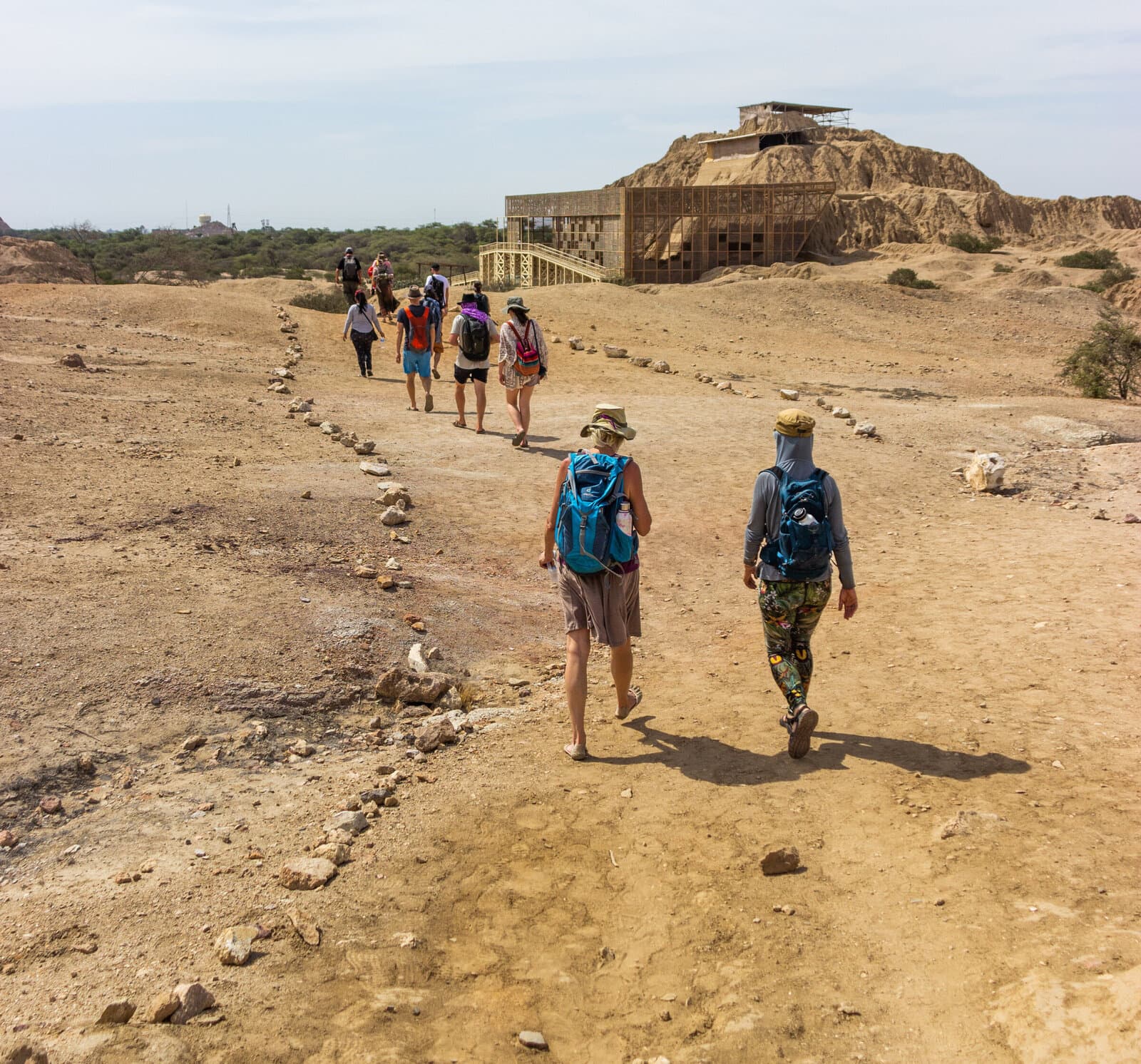
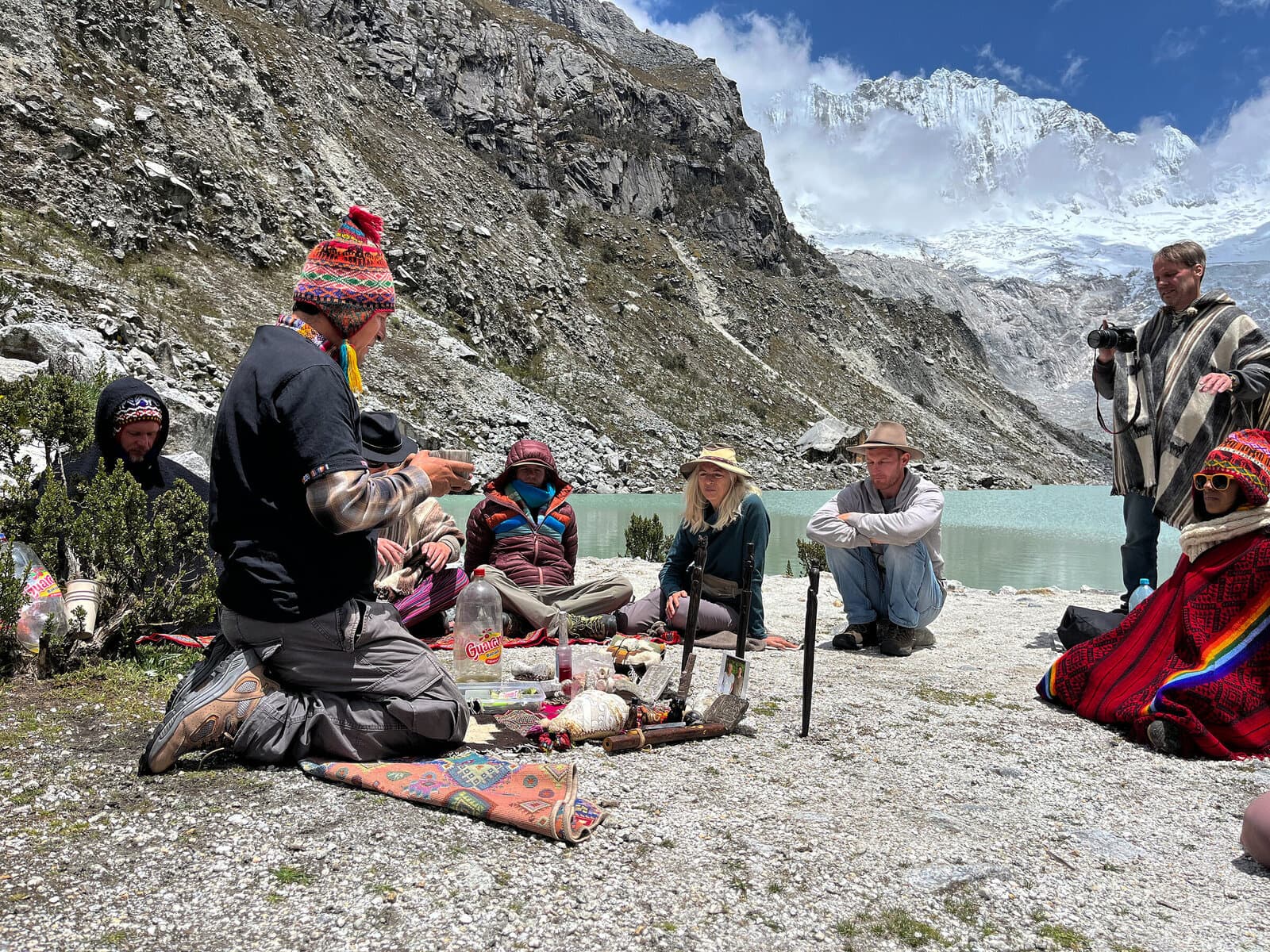
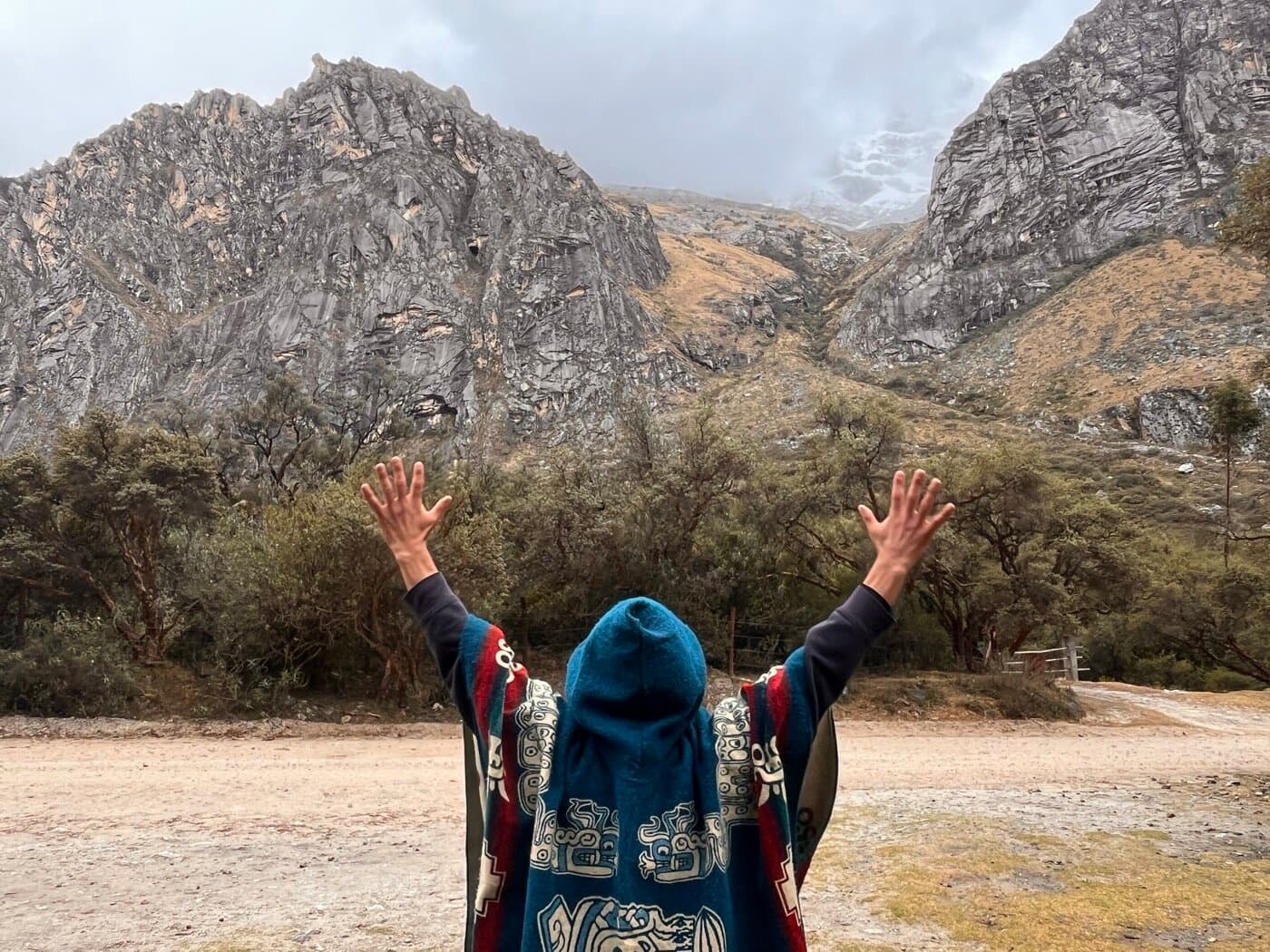
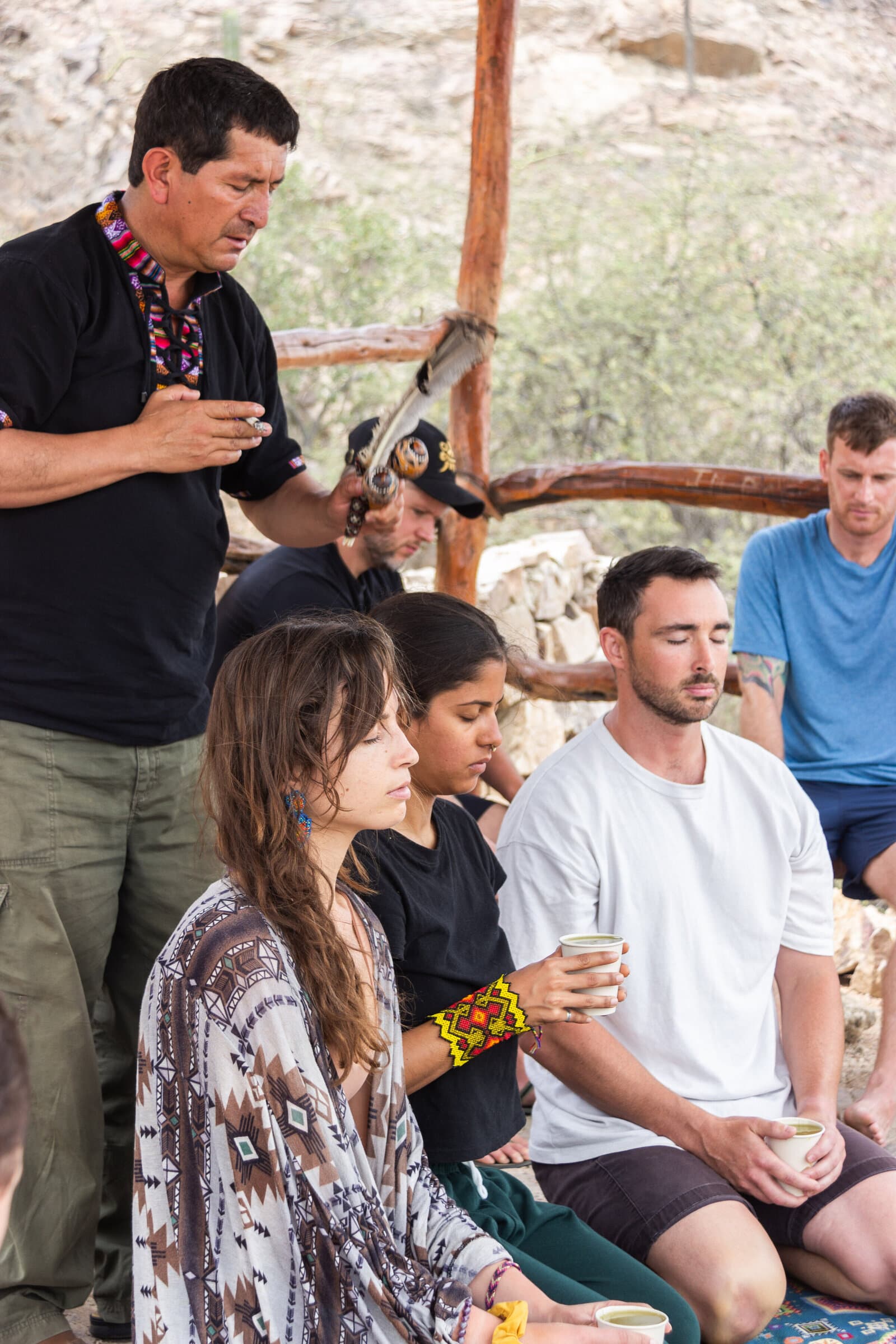
Pilgrimage in Images
The Medicine
What is Huachuma?
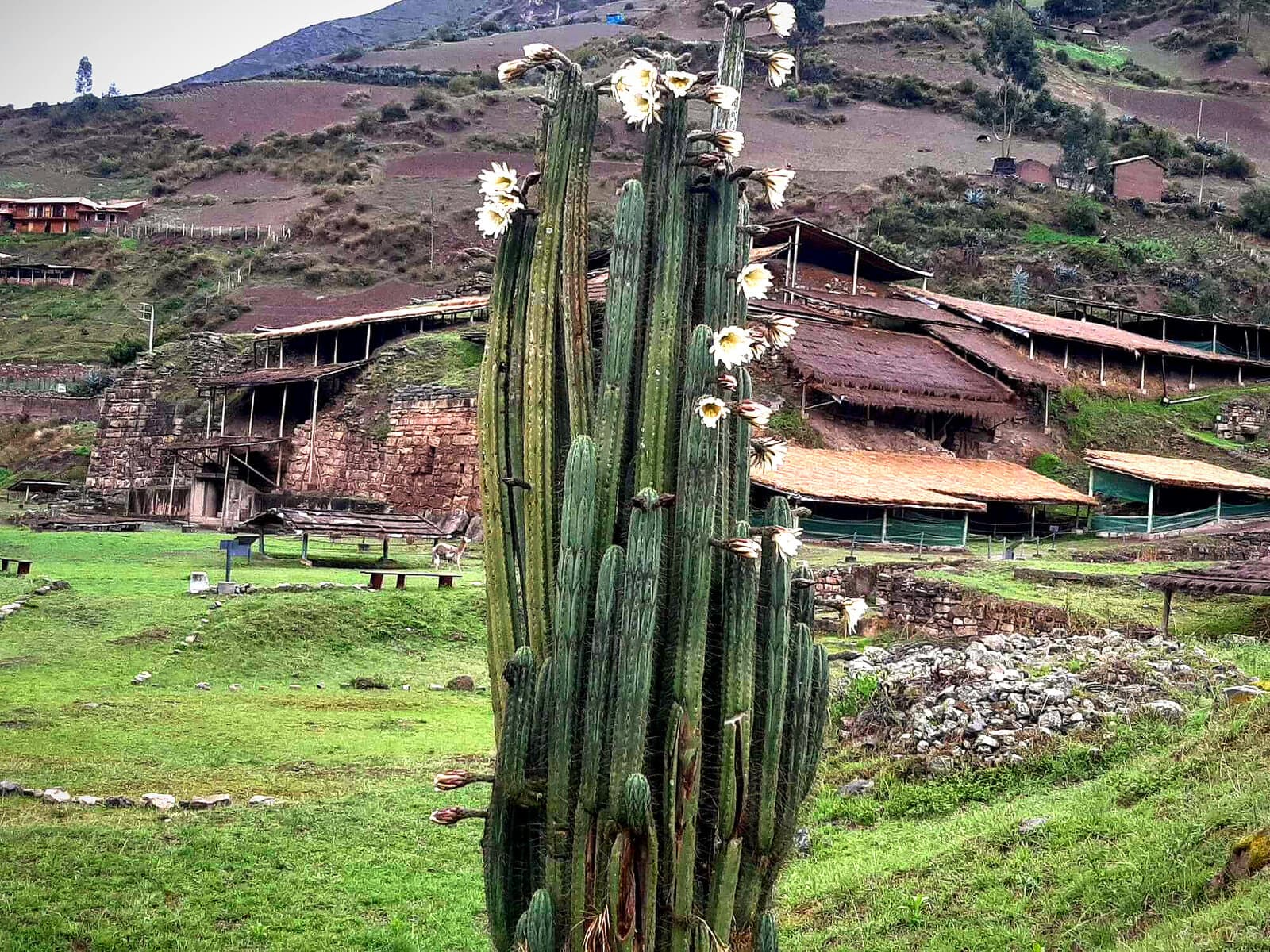
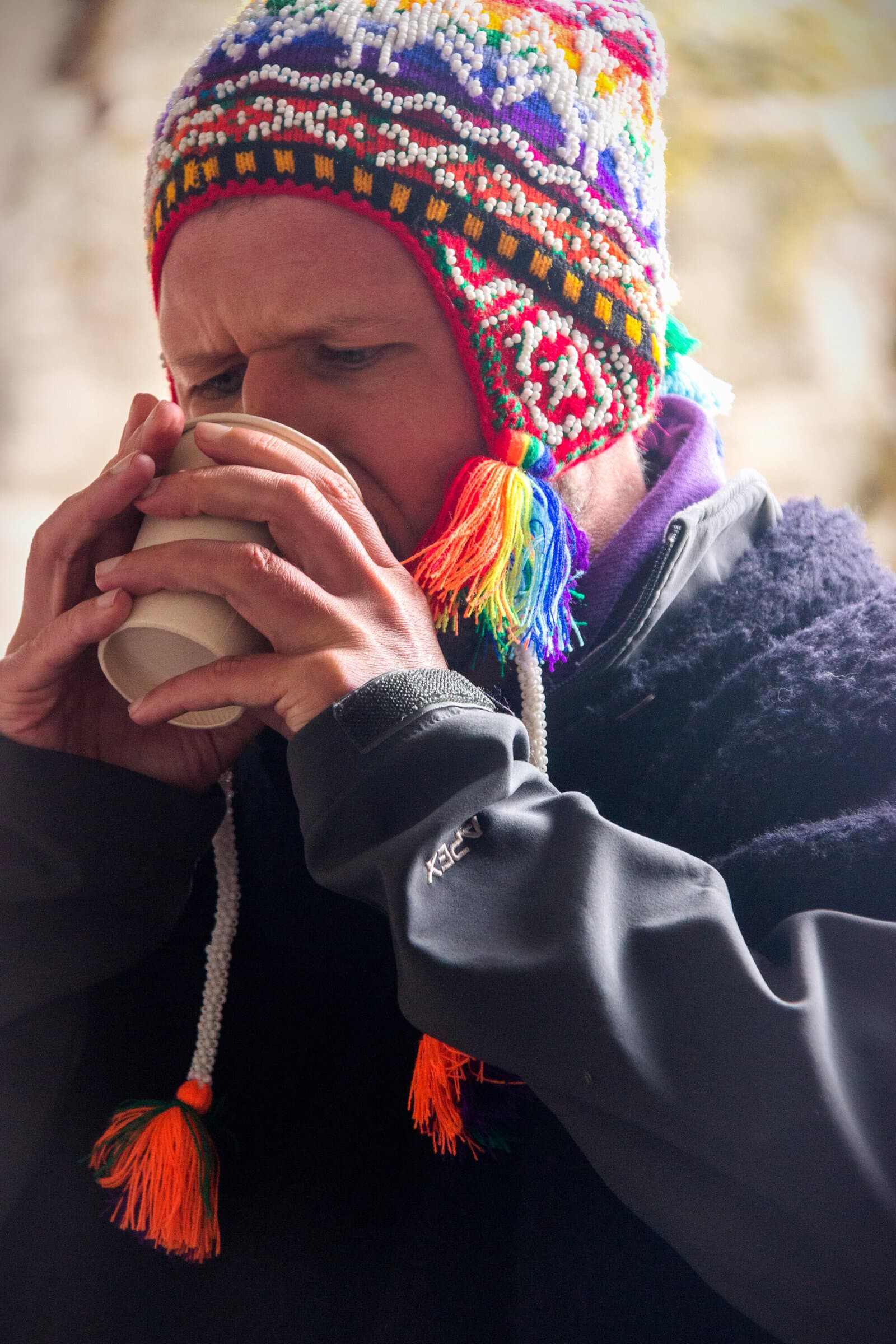
Huachuma (also known as San Pedro) is one of the oldest and most revered sacred plant medicines in the world. For over 3,000 years (and likely longer) it has been used by Andean cultures for healing, vision, and communion with the natural and spiritual realms.
This sacred cactus is not just a medicine. It's a master teacher. Known to open the heart, clear emotional burdens, and reconnect us with the living intelligence of nature, Huachuma has long been used by curanderos and huachumeros to help people realign with their true selves, access deep insight, and awaken to a greater sense of connection with all of life.
Huachuma is considered one of Peru's two master teacher plants, alongside Ayahuasca. While Ayahuasca is known for its feminine mother spirit, inward visionary journeys, and intense purgative process, Huachuma is typically described as a masculine or grandfather spirit. It brings a grounded sense of clarity and a more outward-facing connection to the natural world.
Its legacy runs deep. The earliest known depictions of Huachuma ceremonies are found at Chavín de Huántar, an ancient temple dating back to at least 1500 BCE, considered the cradle of Andean civilization and the Great Temple of Universal Consciousness.
From the coastal pyramids of the Moche and Sicán cultures to the high Andean mountains, Huachuma has served as a sacred bridge between worlds, uniting sky and earth, human and divine.
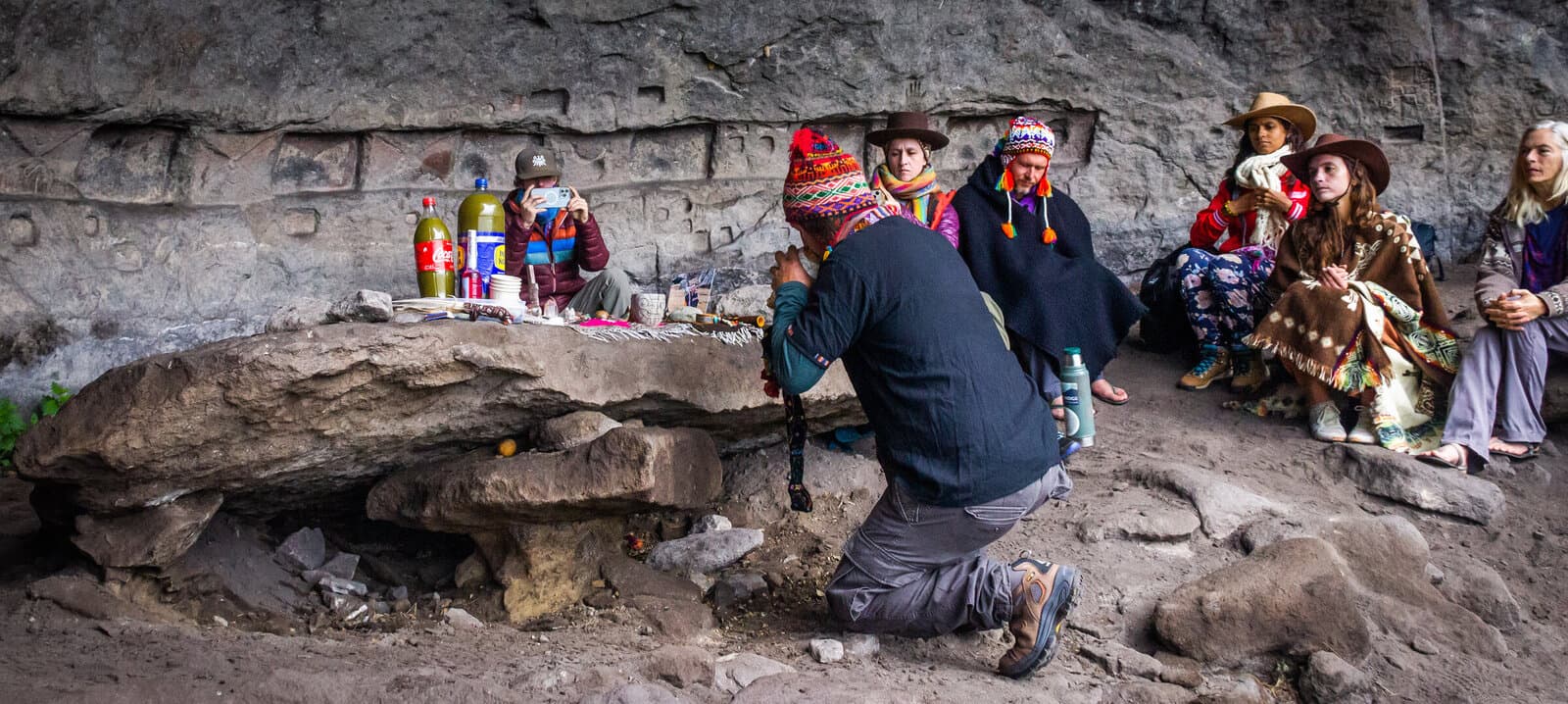
This pilgrimage is an opportunity to sit with this medicine in the very places where it has been worked with for thousands of years, guided by a master Huachumero and held in the heart of sacred ceremonial traditions.
The Context
Why This Medicine Matters Now
We live in a world where many people today feel disconnected. From nature. From their deeper selves. From a sense of meaning or spiritual presence. Beneath the pace of modern life, it is common to carry unseen tension, unprocessed emotions, or a quiet sense that something essential is missing.
This isn't just personal. It reflects something larger we are all part of. A collective drift from inner truth, from connection to the Earth, and from the sacred. What many are experiencing now is not just stress or confusion but a deeper longing to come home to themselves and to something greater.
And this longing isn't limited to times of challenge or struggle. Many come to this path from a place of strength, clarity, or success, sensing that there is still something more. An invitation to deepen, to refine, to open even further to spirit and purpose.
Huachuma has been used for thousands of years as a medicine of reconnection. It helps people clear what no longer serves, open the heart, and remember their place in the living world. It is not a quick fix or an escape. It is a path of clarity, healing, and realignment with what matters most.
Because what the world and each of us needs most right now is not more information or innovation. It is a renaissance of consciousness. A return to inner wisdom. To truth. To Spirit.
This pilgrimage is not just about personal transformation. It's an invitation to realign with what truly matters and to carry that remembrance back into the world with humility, strength, and heart. Para el bien de todos.
Your Shamanic Guide
Meet Don Martín
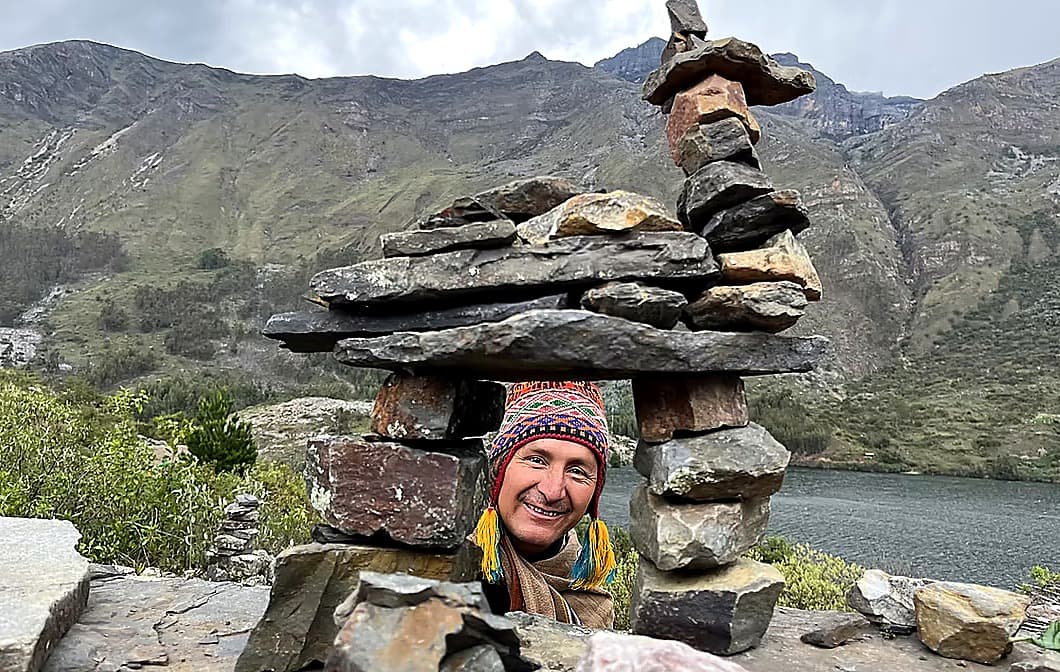
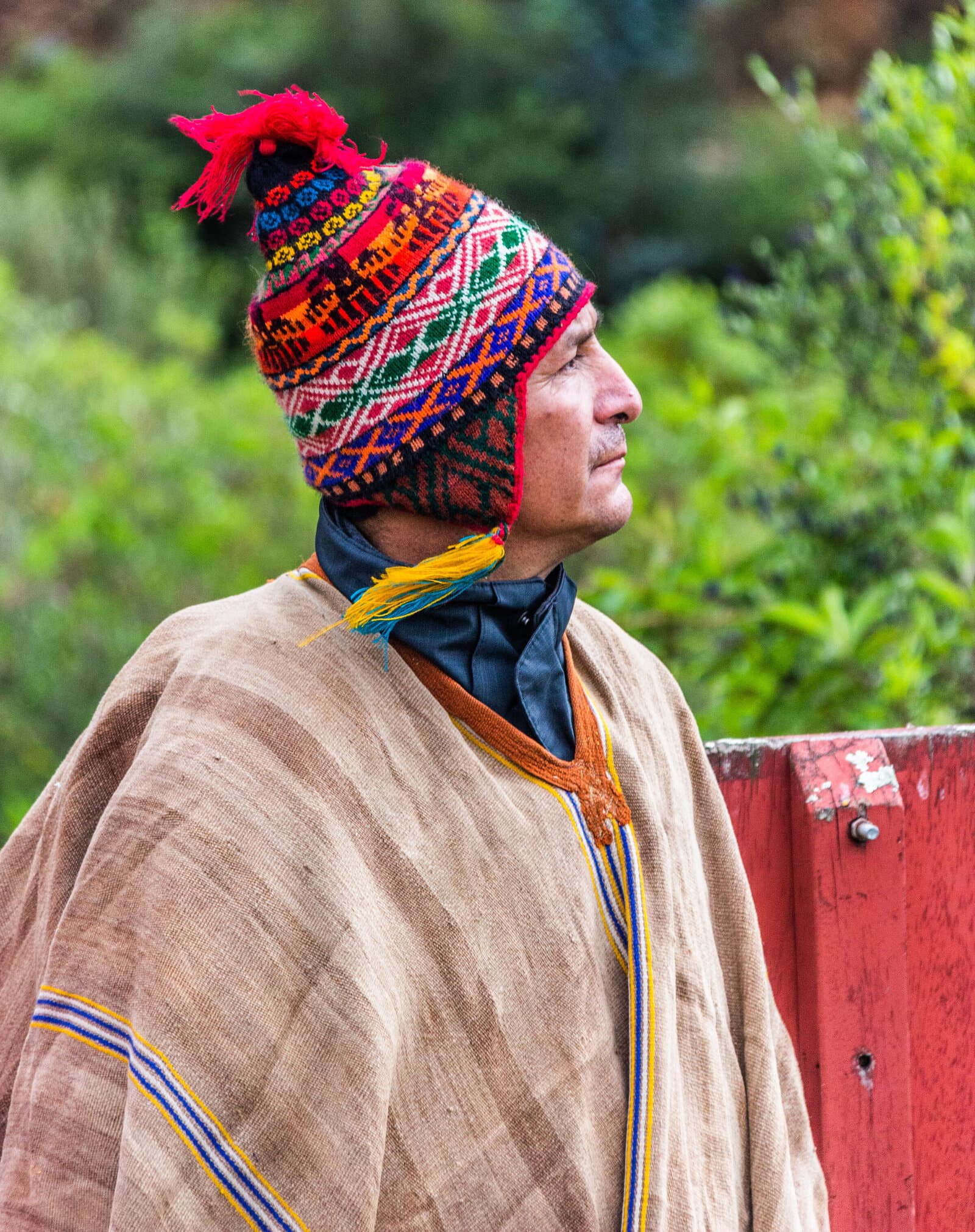
Don Martín is a highly respected Huachumero and maestro of the sacred medicine path. He directly apprenticed under the late Don Howard, one of the most revered Huachumeros of our time, and carries forward his lineage with deep humility, integrity, and devotion.
Born and raised in Chavín de Huántar, the home of the oldest known Huachuma temple and the spiritual epicenter of Andean shamanism, Don Martín has spent decades walking this path. For 24 years, he lived within the ancient temple itself, where his sacred Huachuma plant, now 38 years old, continues to grow. He calls this plant El Guardián del Templo — the guardian of the temple.
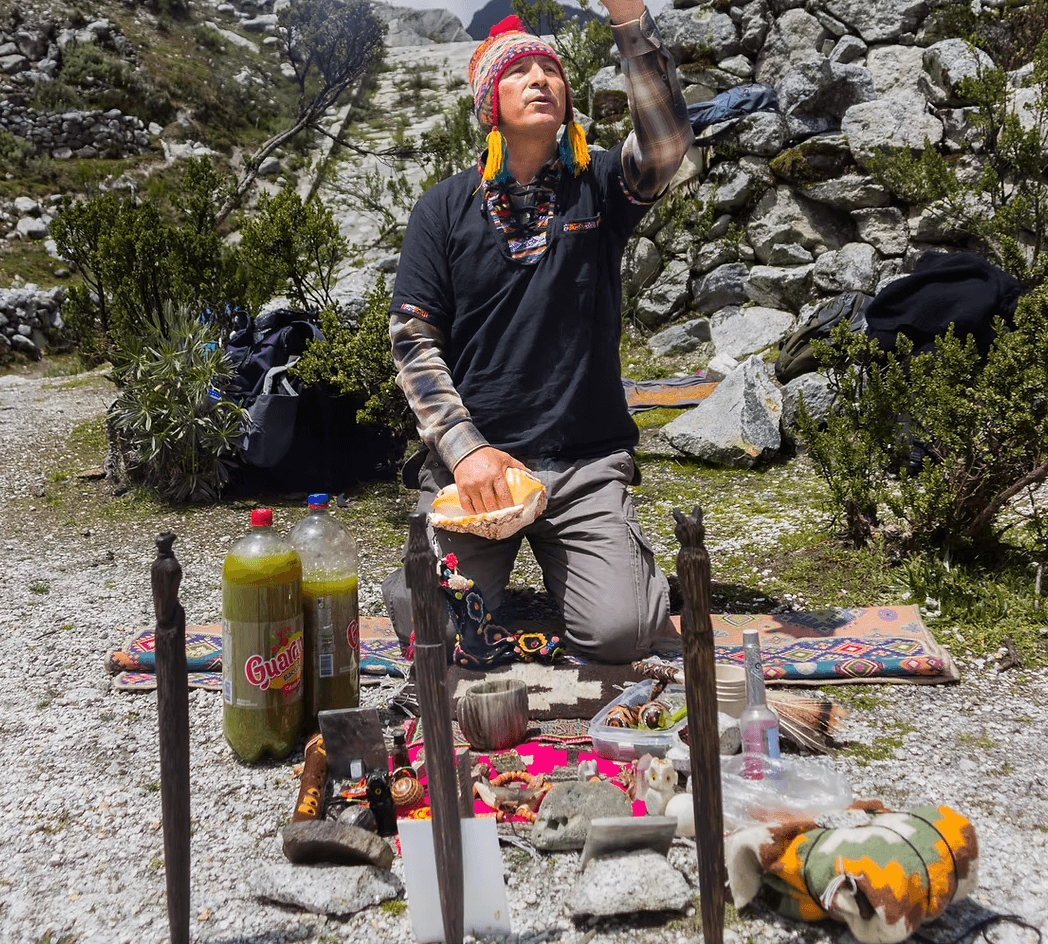
He has led this exact pilgrimage many times, walking with pilgrims through the sacred sites of northern and central Peru. In each ceremony, he holds space with a rare blend of quiet strength, reverence, and compassion, supporting deep healing, insight, and reconnection for those who come with sincere intent.
Don Martín is not just a facilitator of ceremony. He is a true guardian of the ancient Huachuma tradition, and a bridge between the ancestral wisdom of the Andes and those seeking healing and transformation today.
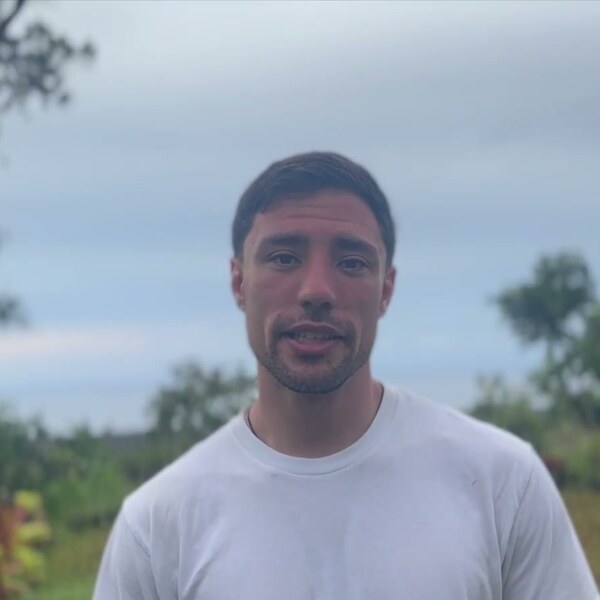
“Don Martín is just an absolute gift of a person. One of the most humble, most kind and most experienced Huachumeros on the planet — I really am honored to have been able to sit with him in that medicine and in those specific sites.”
Pilgrimage Ceremony Sites
Sacred Sites of the Andes
This pilgrimage takes you through sacred sites that span thousands of years beginning with the more recent ceremonial centers of the Sicán and Moche cultures along the northern coast, then moving back to Chavín de Huántar, the oldest known Huachuma temple in the Andes, and culminating at timeless, powerful locations like Bosque de Rocas and Heaven's Gate.
As we journey through these sites, we also move through the shamanic worlds: from the Lower World of healing and transformation, through the Middle World of integration and initiation, to the Upper World, where we reconnect with the cosmos and our divine essence. Along the way, the elemental forces of earth, water, air, and fire guide the unfolding of the pilgrimage.
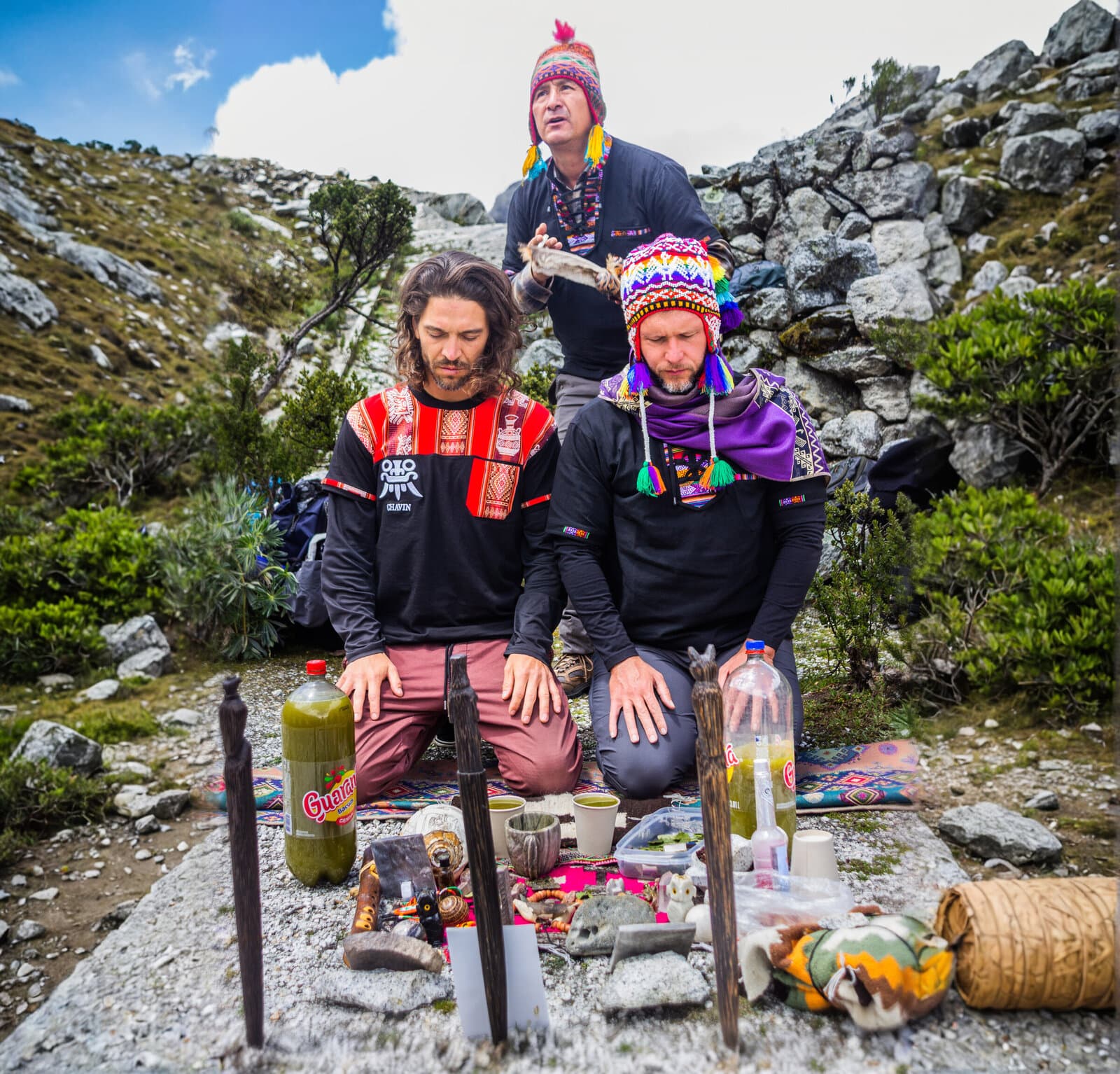
In the Andean tradition, this journey is held through a practice known as the mesada, a ceremonial arc rooted in the mesa, or sacred altar. Each mesada reflects a stage of transformation, helping us harmonize with nature and spirit through presence, prayer, and sacred plant communion.
Ceremony Site 01
Batan Grande
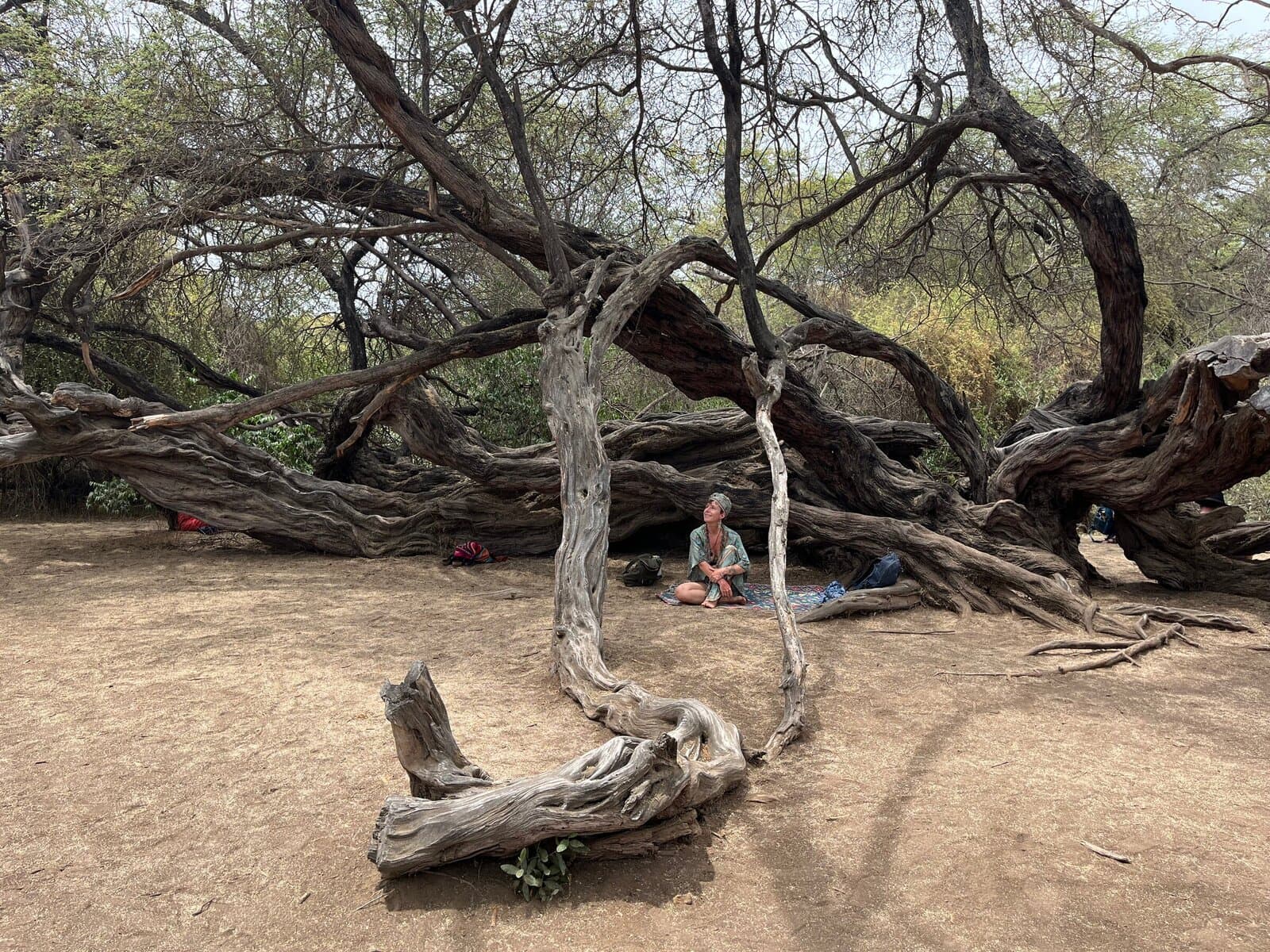
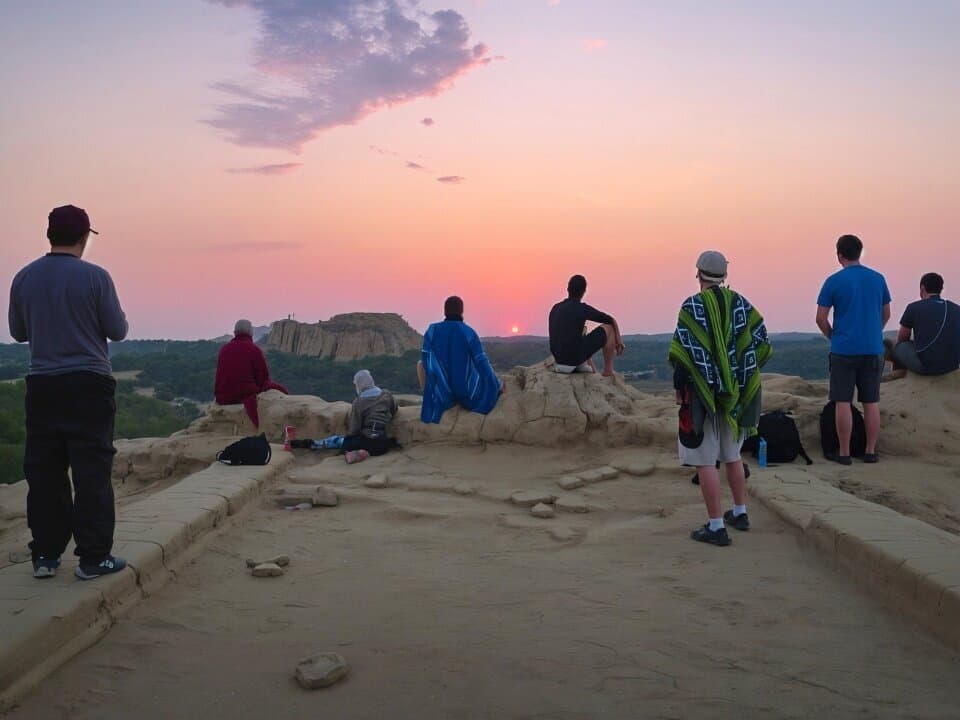
Batan Grande is an ancient ceremonial site on the northern coast of Peru, deeply tied to the Sicán culture (750–1375 CE), known for its powerful ancestral rituals and reverence for divine forces. Nestled in the Bosque de Pomác, it is home to sacred pyramids that once held the remains of Sicán elites. This site offers a profound space for grounding into the Earth, connecting with Pachamama, and opening to the deeper wisdom of the land. It is an ideal place to begin the pilgrimage, to shed the weight of the past and root yourself for the journey ahead.
Ceremony Site 02
El Brujo
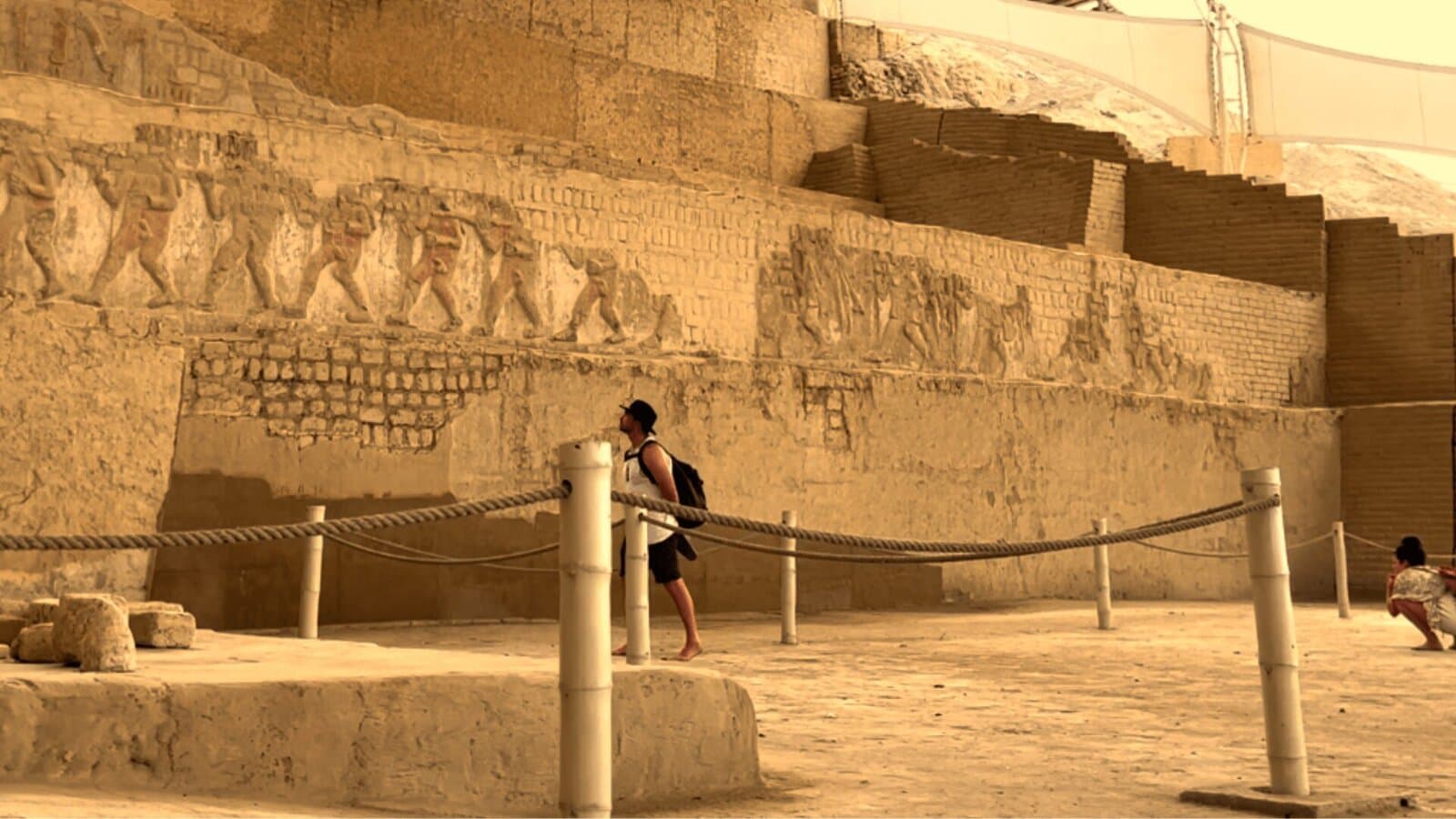
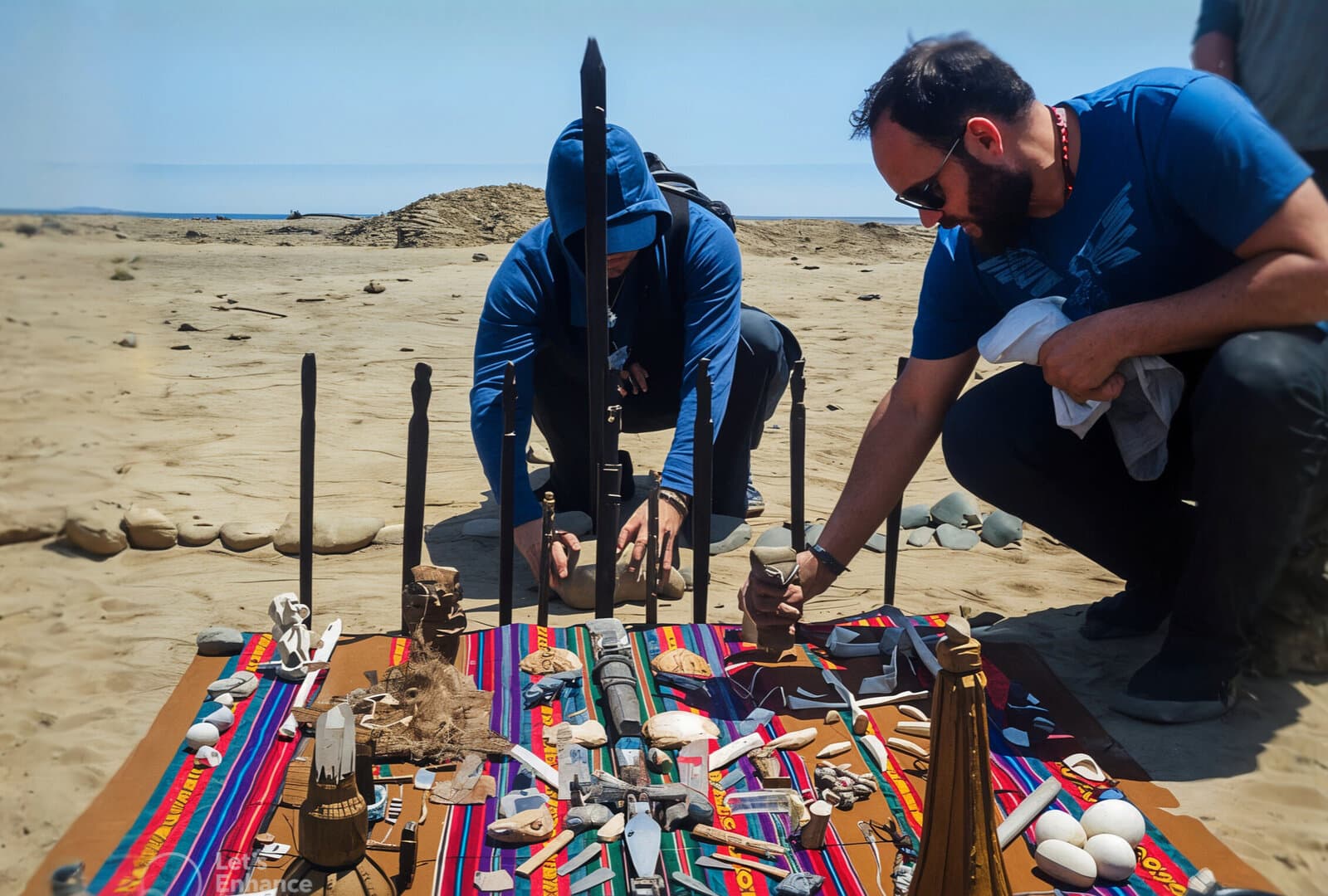
El Brujo is an ancient ceremonial site on the northern coast of Peru, connected to the Moche civilization that flourished from roughly 100 to 800 AD. Known for its grand pyramids and ritual practices, it was a powerful place of ceremony, sacrifice, and communication with divine forces. The site is home to the Huaca Cao and Huaca Cortada pyramids, central to Moche efforts to influence natural cycles, particularly the El Niño climate phenomenon. In this landscape shaped by ocean winds and shifting tides, we encounter the elemental power of nature, death, and rebirth.
Ceremony Site 03
Chavín de Huántar
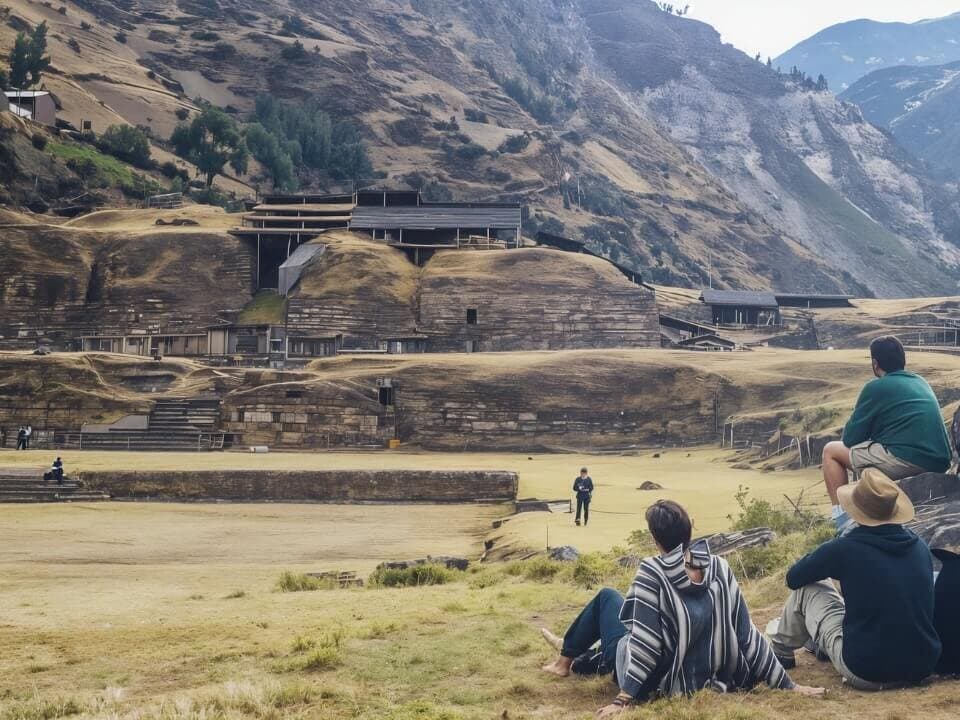
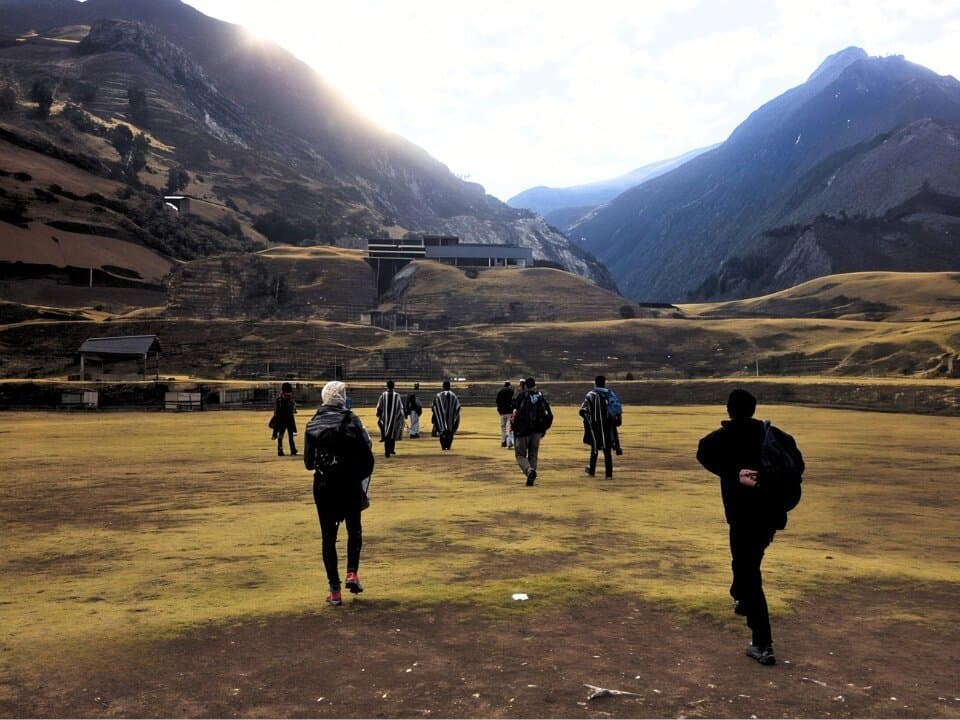
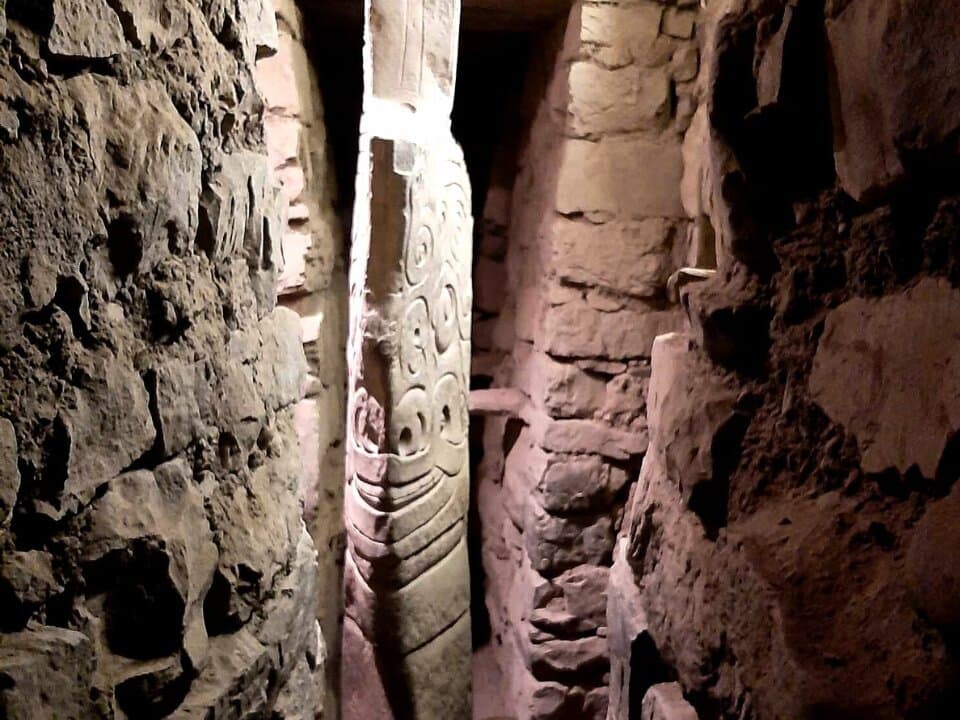
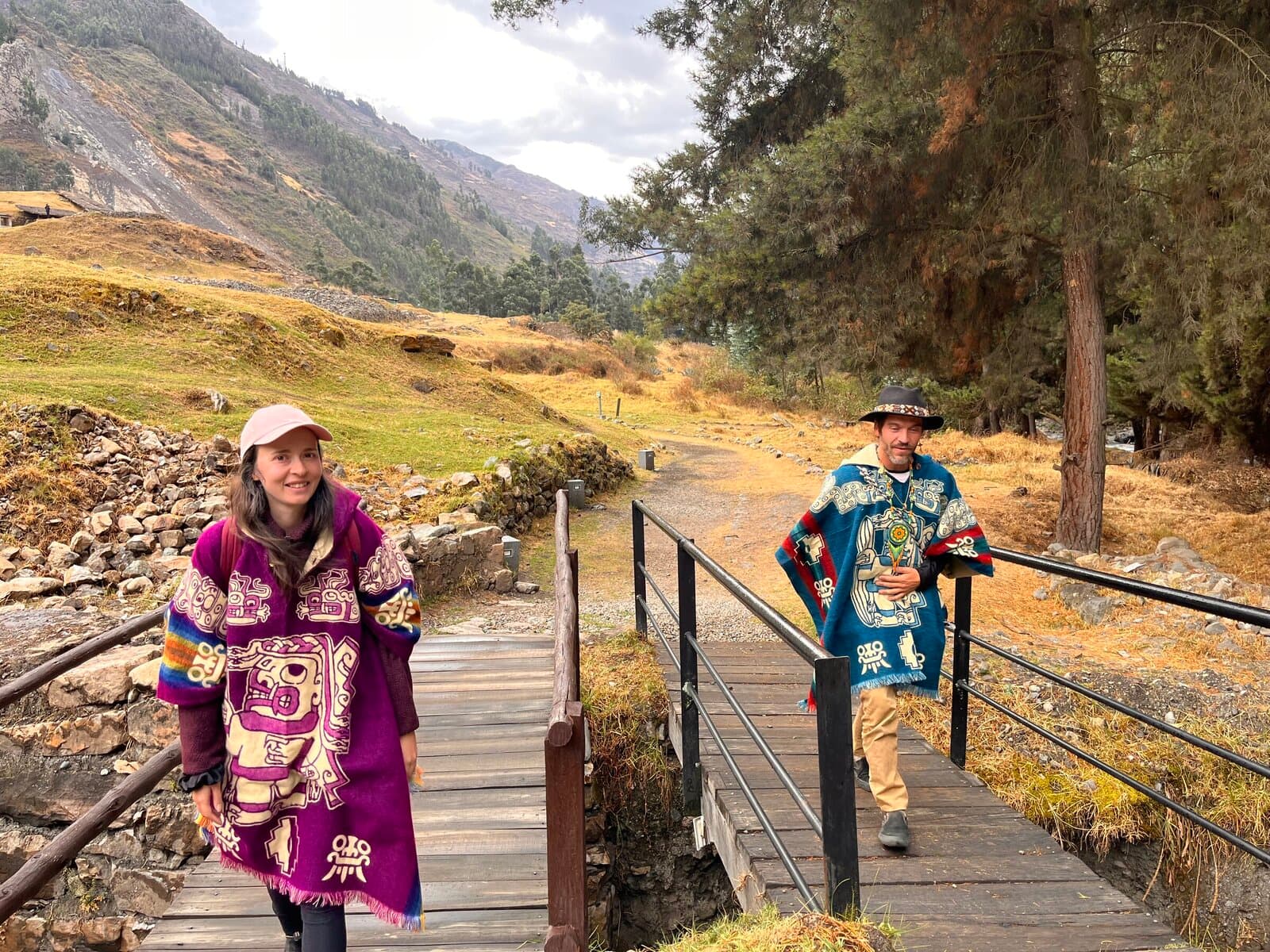
Chavín de Huántar is an ancient ceremonial site in the Andean highlands of Peru, considered the cradle of Andean civilization and the Great Temple of Universal Consciousness. Dating back over 3,500 years, it was the heart of the Chavín culture, a civilization built on the practice of high shamanism focused on healing and higher consciousness. The Chavín temple, with its iconic Lanzón deity, symbolizes the union of Heaven and Earth, representing the convergence of divine wisdom and earthly experience. The word Chavín comes from "Chaupin," which means center of centers, pointing to its place as the spiritual and ceremonial heart of ancient Andean civilization. Widely regarded as the Axis Mundi of the Andes, Chavín is the most sacred huaca of Peruvian antiquity. It stands as the climactic site of the pilgrimage as a place of harmony, balance, cleansing, and new beginnings.
Ceremony Site 04
Bosque de Rocas
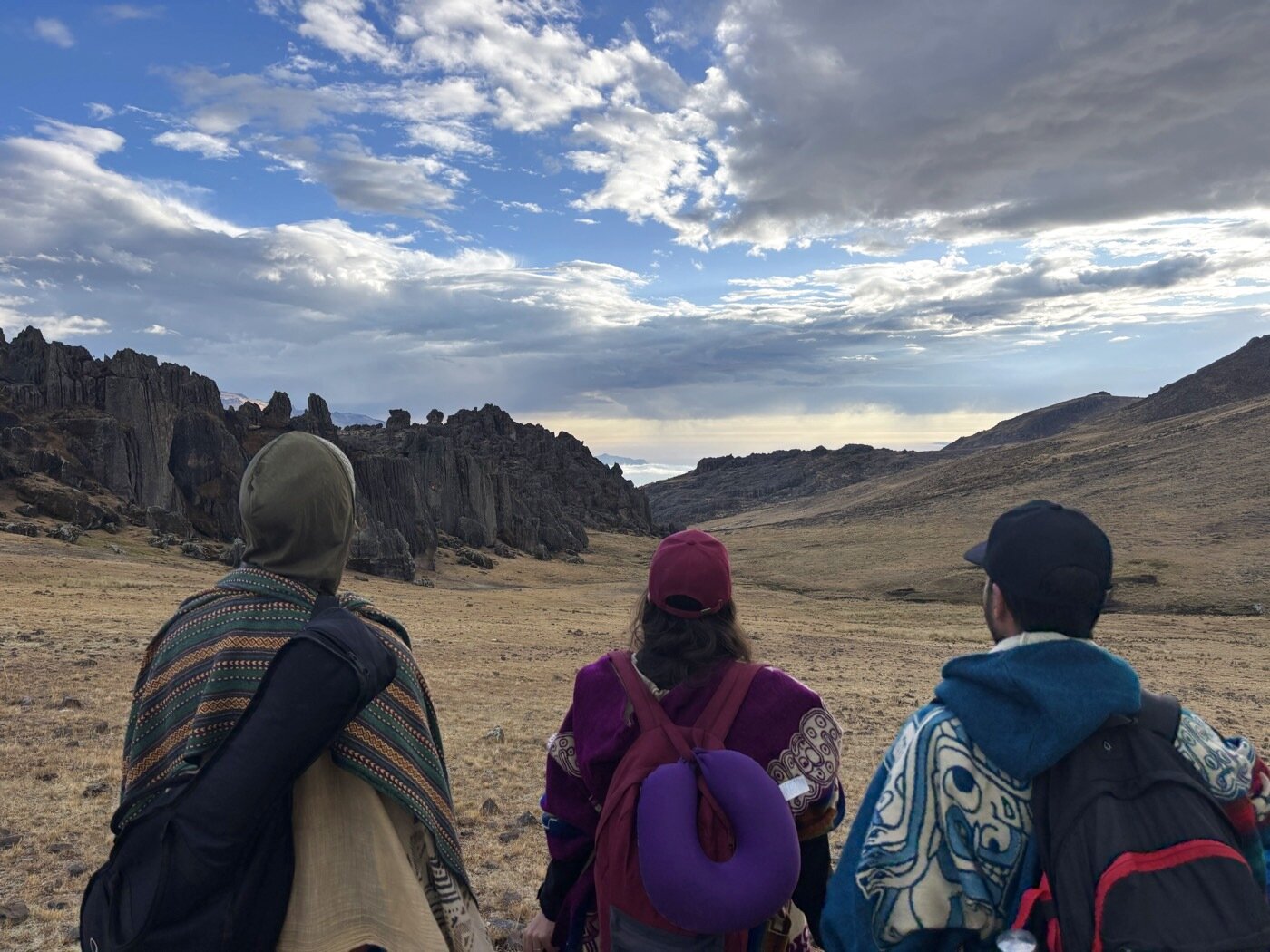
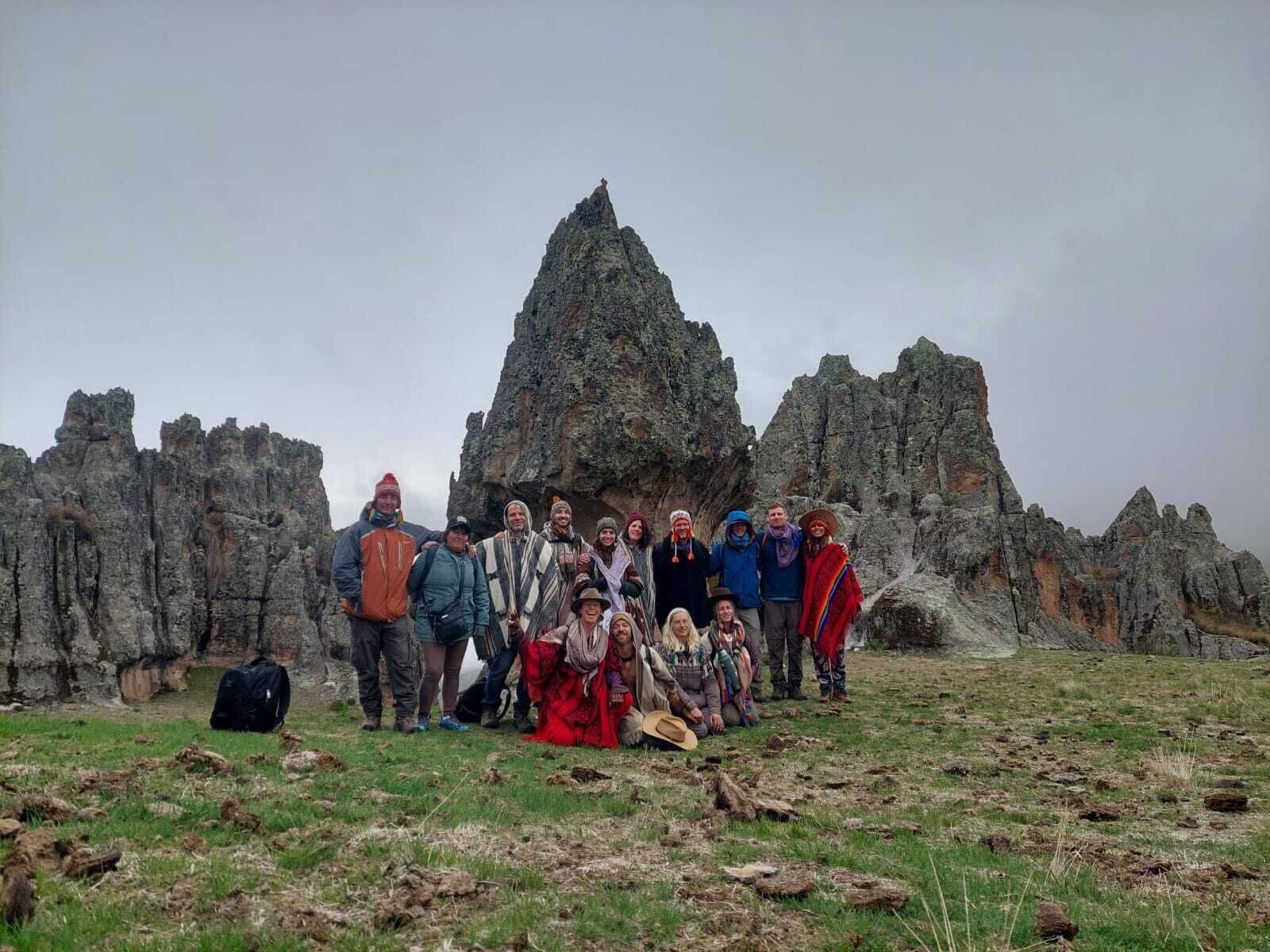
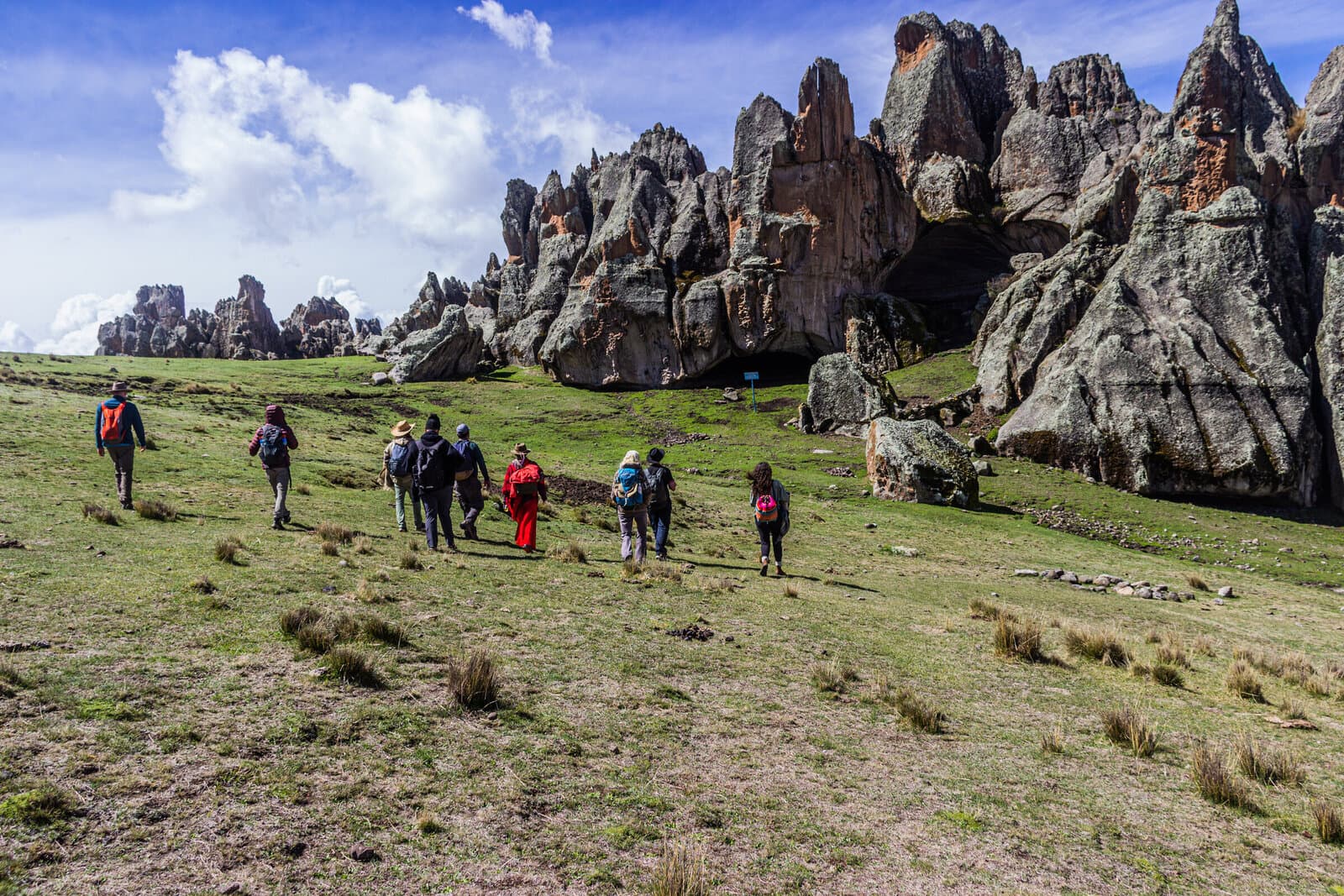
Bosque de Rocas, also known as the "Rock Forest," is an ancient sacred site located in the Andean highlands. It is home to towering stone formations, believed to be the natural guardians of wisdom. These formations, along with the petroglyphs carved into the rocks, are thought to contain the stories and knowledge of the first Andean peoples. The petroglyphs are believed to date back over 10,000 years. The site serves as a bridge between the physical and spiritual realms, offering an opportunity to connect with deep layers of Andean wisdom and open the doors to visionary states.
Ceremony Site 05
Heaven's Gate
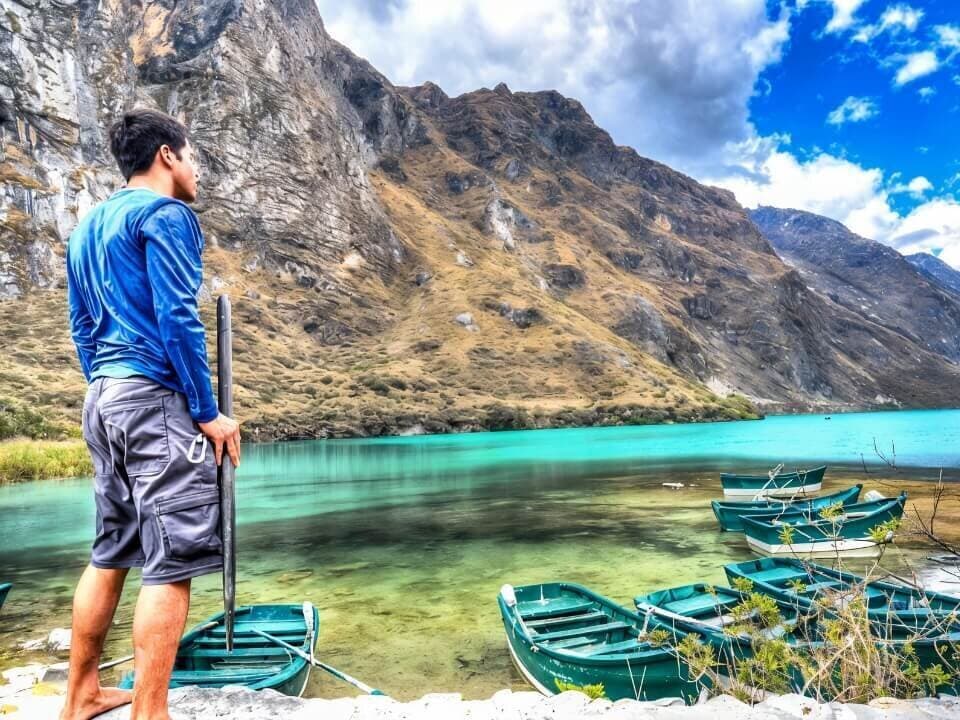
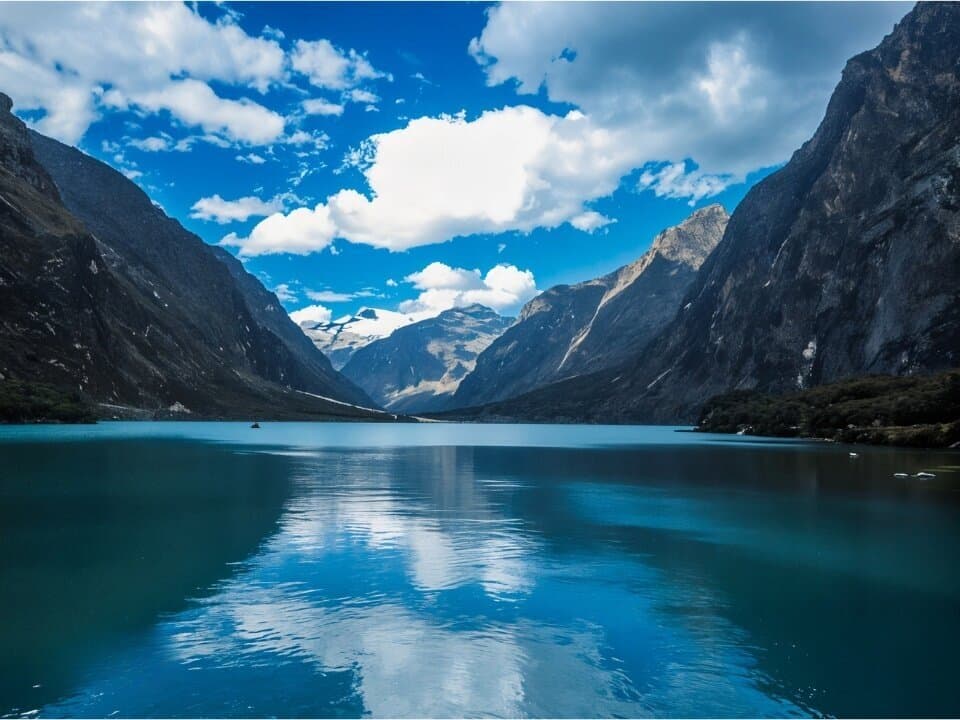
Heaven's Gate, located in the heart of the Cordillera Blanca, is a sacred site where the energies of the earth and cosmos converge. For generations, it has been regarded as a mystical doorway between Heaven and Earth. Surrounded by high-altitude lakes and towering mountain spirits, this place has long been honored as a threshold between realms. It lies along a fault line between Mount Huandoy (feminine) and Mount Huascarán (masculine), two of the highest and most prominent peaks in Peru and the tropical world. The site symbolizes the union of dual forces — masculine and feminine, earth and sky, stillness and creation. In ceremony, we honor the dynamic and infinite creativity of nature and cosmos and seal the pilgrimage with a despacho offering to Pachamama, bringing the journey to completion.
What's Included
Participants in this pilgrimage will receive:
- Pre-retreat preparation, including two group calls
- 5 Huachuma ceremonies at sacred sites
- Hotel accommodations during the pilgrimage
- Bus/van transportation throughout the pilgrimage
- Entrance fees for sacred sites and museums
- On-the-ground support in Peru, including language translation
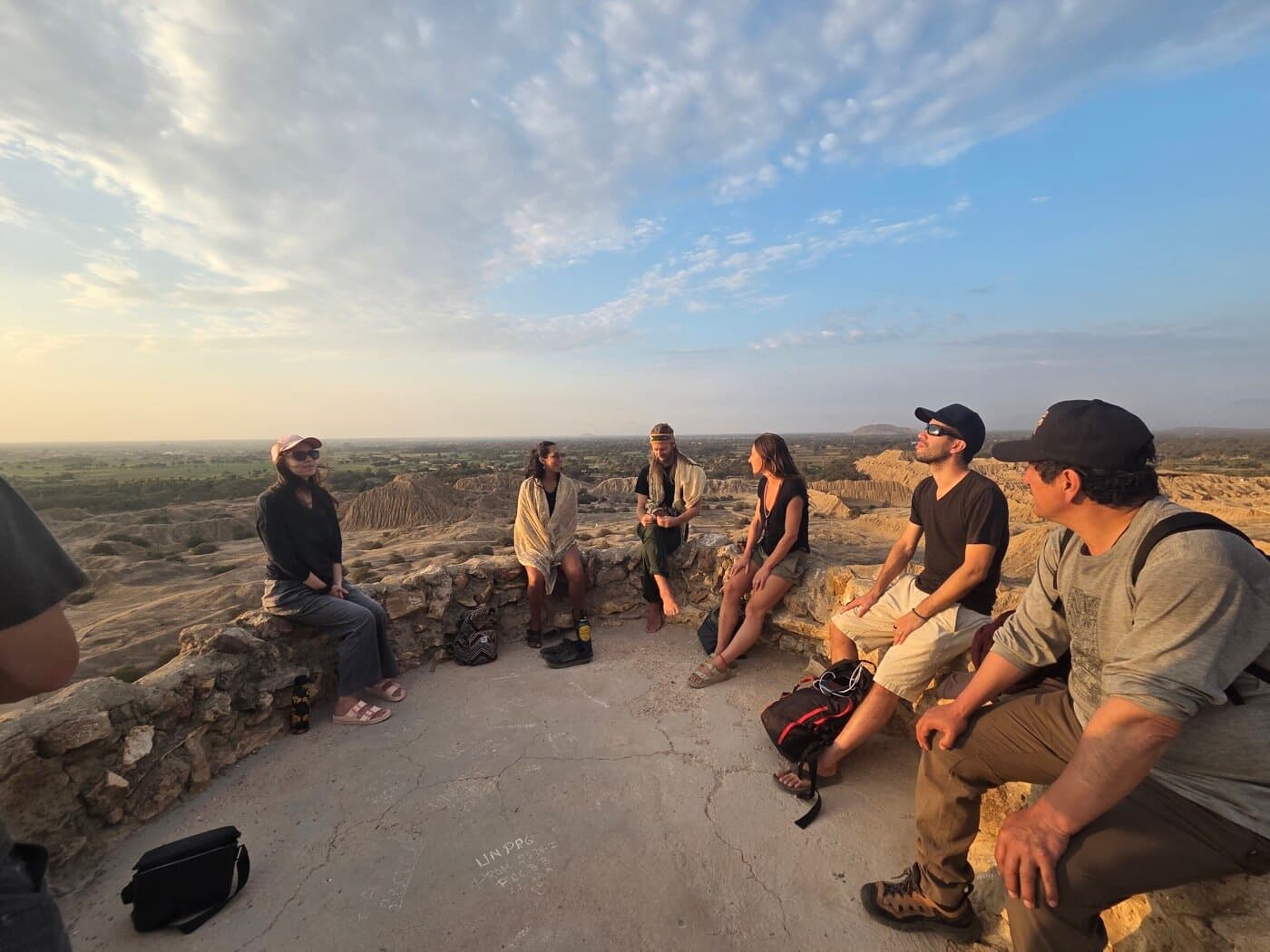
- Group activities and sharing circles
- 1:1 time with facilitators throughout the journey
- Post-retreat integration support, including two group calls
Not Included
What is not included in the base price below:
- International flights to Lima, Peru
- Domestic flight from Lima to Chiclayo
- Hotel accommodations in Lima before and after pilgrimage
- Meals, snacks & drinks
- Optional personal purchases: Souvenirs, additional services, tips
Pilgrimage Dates
September 17–28, 2027
Limited space available for this intimate group experience
Frequently Asked Questions
Do You Feel Called to Walk This Sacred Path?
This is an exclusive, invitation-only pilgrimage, designed for those ready to embrace a transformative journey. If you feel called to join us, reach out and we'll schedule a call to discuss whether this experience aligns with your intentions and goals.
Go Deeper
Watch the Series
Two firsthand accounts of Huachuma. One on pilgrimage. One at Spirit Quest with Don Howard.
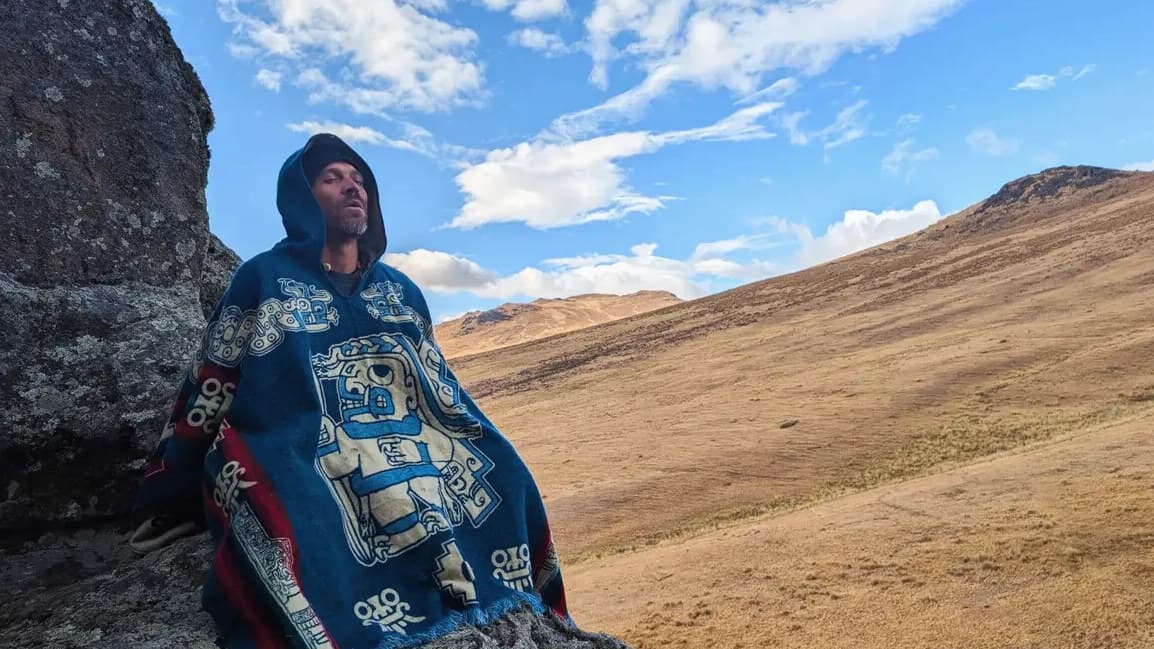
Brad Samuels on the Huachuma Pilgrimage
Brad filmed his first Huachuma pilgrimage across the sacred sites of northern Peru. His seven-part documentary series.
Watch the Documentary
Aubrey Marcus on Huachuma
Aubrey Marcus' Huachuma experience with Don Howard at Spirit Quest. His full documentary on the medicine.
Watch the Film