Sacred Ways © 2026
Why Transformative Retreats Are Becoming Essential for Entrepreneurs and Leaders
On the growing recognition that genuine transformation requires more than a weekend workshop
Something is shifting in how the most effective leaders and entrepreneurs understand the relationship between inner work and outer performance. The conversation has moved well beyond stress management and mindfulness apps into territory that would have seemed fringe even five years ago: plant medicine ceremonies, extended silent retreats, pilgrimages to sacred sites. The people having these conversations are not on the margins — they are founders, investors, executives, and creators who have built significant things in the world and are asking, with increasing urgency, what it would mean to build from a different place.
The question driving this shift is not primarily about performance, though performance is often what brings people to the door. It is a deeper question about meaning — about whether the way one has been living and working is actually aligned with what one values, and whether the relentless forward motion of building and achieving has left something important behind.
The Limits of Conventional Development
The personal development industry has produced an enormous volume of frameworks, methodologies, and practices for improving performance, clarity, and wellbeing. Much of this is genuinely useful. But there is a category of change that conventional development approaches struggle to reach — the kind of change that involves not optimising existing patterns but dissolving them, not adding new strategies but encountering the assumptions beneath all strategies.
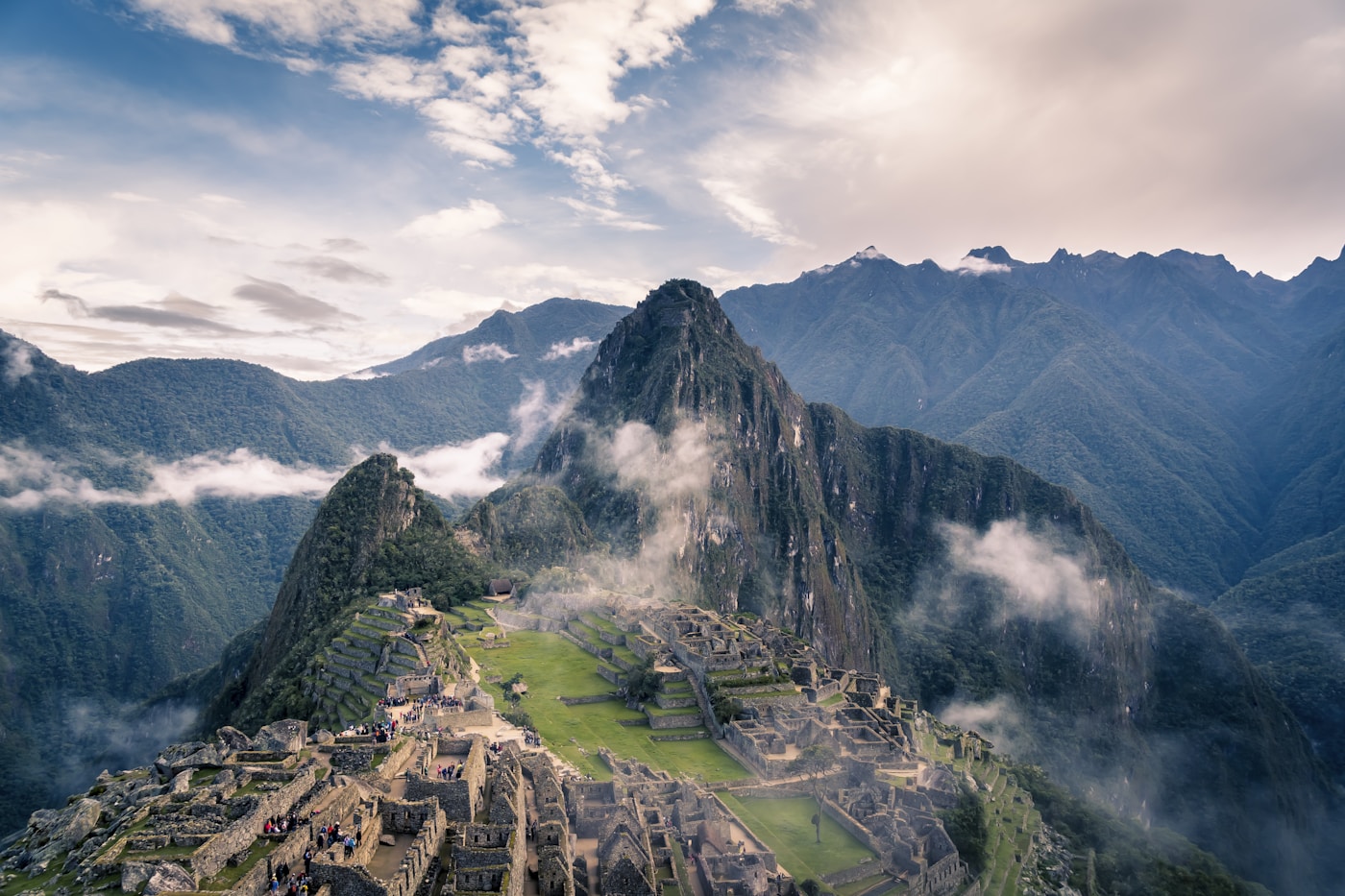
This is the territory that plant medicine ceremonies and genuine pilgrimage experiences operate in. They do not teach you new techniques. They create conditions in which the ordinary structures of identity, habit, and self-concept become temporarily transparent, allowing you to see — with unusual clarity — what is actually driving your decisions, what you are actually afraid of, and what you actually want. This kind of seeing is not comfortable. But it is often the beginning of the most significant changes people make in their lives.
What Leaders Tend to Find
The experiences that entrepreneurs and leaders bring back from plant medicine retreats vary enormously in their specific content, but certain themes recur with striking consistency. One is the recognition of how much of their drive has been rooted in fear — fear of failure, fear of irrelevance, fear of not being enough — rather than in genuine desire and purpose. Another is a shift in the quality of their relationship to time: from the chronic urgency of the high-performer to something more spacious, more willing to allow things to unfold.
A third theme is relational. Many participants report that the most significant shifts they experience are in their relationships — with partners, children, colleagues, and with themselves. The quality of presence that plant medicine ceremonies tend to cultivate — the capacity to be genuinely with another person rather than managing them, performing for them, or using them as a mirror — turns out to be one of the most practically valuable outcomes of this work, in both personal and professional contexts.
The Importance of the Right Container
Not all plant medicine experiences are equal, and not all are appropriate for people in positions of significant responsibility. The quality of the ceremonial container — the skill and integrity of the facilitator, the depth of the lineage, the care taken with preparation and integration — matters enormously. A poorly held ceremony can be destabilising rather than transformative, particularly for people whose nervous systems are already under significant load.
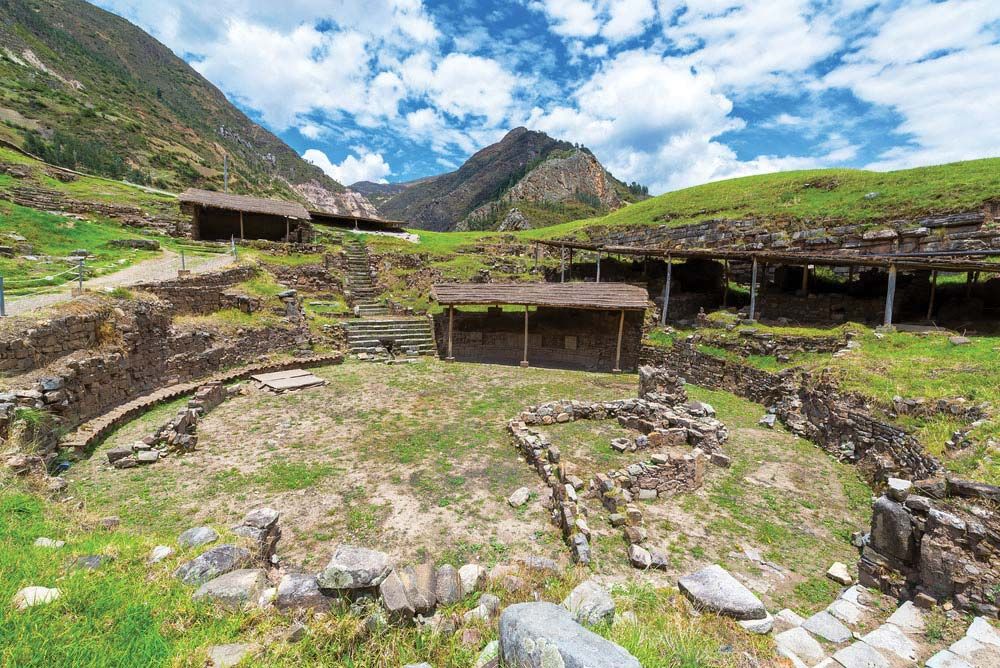
What distinguishes a genuine pilgrimage experience from a retreat that simply uses plant medicine as a novelty is the presence of a real tradition — a lineage of practice that has been refined over generations, a facilitator who has done their own deep work, and a ceremonial structure that holds participants safely through whatever arises. The Chavín Huachuma mesa tradition, which forms the foundation of the Sacred Ways pilgrimage, offers exactly this: a 4,000-year lineage, facilitators with decades of experience, and a ceremonial approach that is both rigorous and deeply compassionate.
Integration and the Return to Work
The question that matters most for leaders and entrepreneurs is not what happens during the ceremony but what happens afterwards. How does the experience translate into the way one actually leads, decides, and creates? The answer, for those who do the integration work seriously, is often: significantly. Not through dramatic external changes, but through a shift in the quality of attention, presence, and intentionality that one brings to everything.
Decisions made from a place of genuine clarity rather than reactive fear tend to be better decisions. Leadership offered from a place of authentic presence rather than performance tends to inspire rather than merely direct. Creative work done from a place of connection to something larger than personal ambition tends to have a quality that work produced under pressure rarely achieves. These are not small things. They are, in many ways, the things that matter most.
Ready to Begin?
Para El Bien De Todos
Continue Reading